- Regular Price
- $19.99
- Sale Price
- $19.99
- Regular Price
- $19.99
Sold Out
- Unit Price
- per
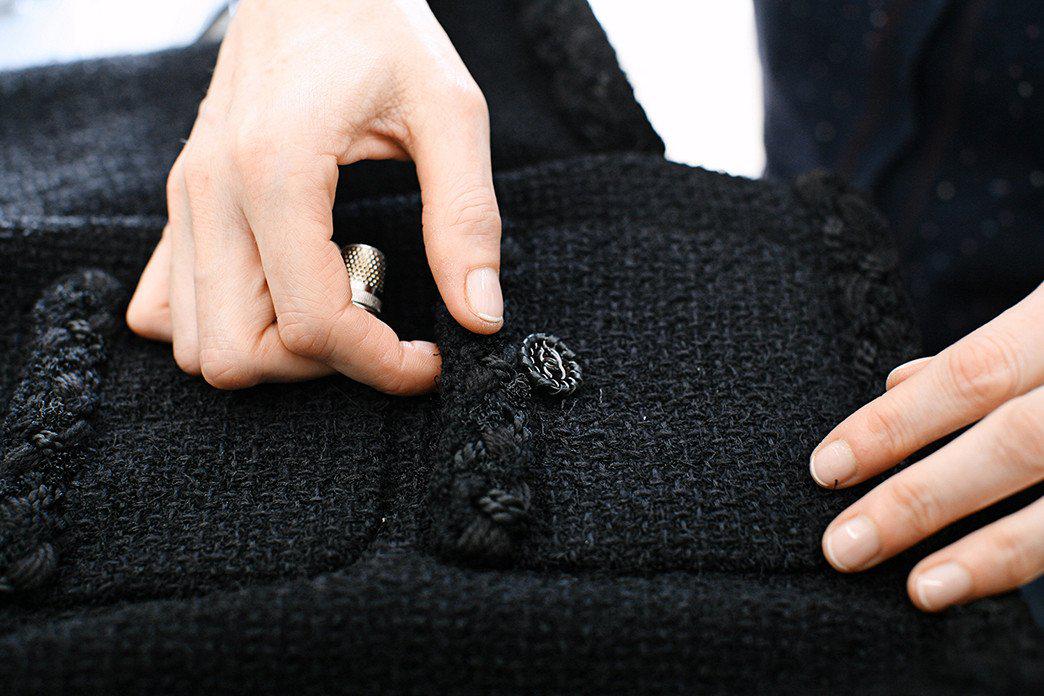
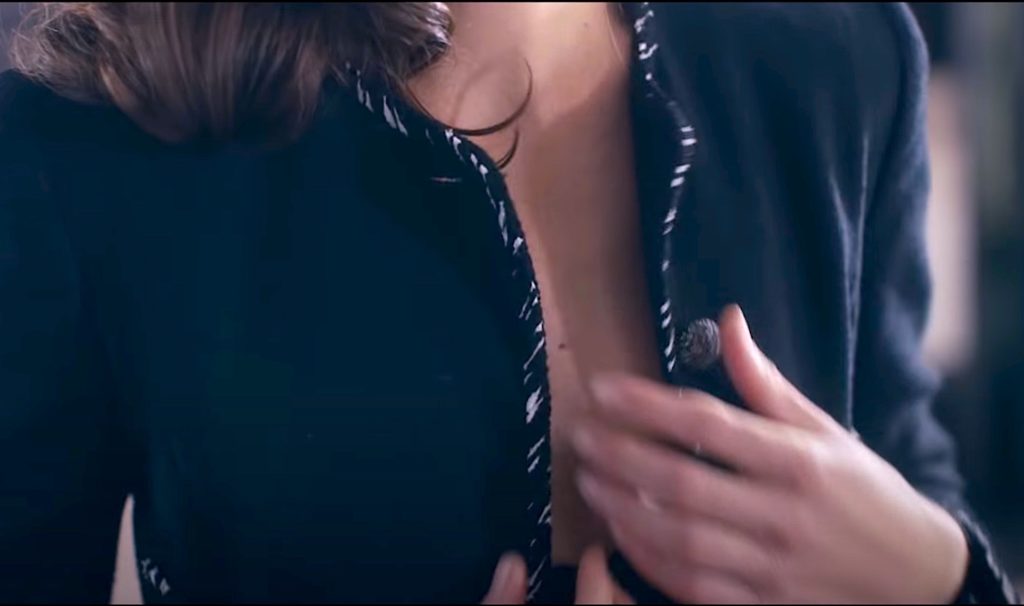
Have you ever wondered why a CHANEL jacket looks so beautifully shaped even when worn open?
The same clothes fall differently. In our forties and fifties, the mirror reveals these changes.
With a black vintage CHANEL jacket, Lily’s ¥4,980 UNIQLO inner layer and denim instantly looked sharper.
Beyond braid and buttons, panels, vertical seams, lining and a hem chain create the CHANEL line.
Related items for customers in United States
As the body changes, smaller panels add a clean line to it.
It may be costly, yet it works with denim and gets worn more over time. That daily use makes fine tailoring worthwhile.
Fabric is flat; the body is not. Panelling joins long vertical pieces to shape the shoulder, bust, back and waist.
This extends beyond the 1990s. In 16 years, TC JAPAN has handled many narrow-panelled jackets from the 1980s and 2000s through designs dating to around 2015.
It grew from Gabrielle Chanel’s pursuit of clothes women could move in.
More panels alone do not make a masterpiece.
Number and placement vary by model, fabric and silhouette; judge the cutting, matching and lining together.

A suit need not stay together. Wear its skirt with a turtleneck or white shirt, and its jacket with denim or leather.
The tailoring lets everything else relax—the ¥4,980 UNIQLO outfit proves it.
Birgit Kos also wears vintage CHANEL with denim. The tailoring lets the rest stay easy.
Vogue, “How Top Model Birgit Kos Gets Runway Ready”
Panels and lining also appear in dresses and coats. Follow the seams and CHANEL becomes interesting all over again.
Soft clothes need adjustment for photos. A well-preserved vintage CHANEL jacket can settle on a hanger with the tweed’s depth visible.
Good construction outlasts newness, feeling softly supportive rather than restrictive.
Inside out, the outer rhythm continues in the lining. Some older pieces have vertical quilt-like silk stitching that moves with the tweed.
NGV’s CHANEL suit c.1970 documents wool bouclé, silk lining, vertical quilting and a hem chain.

Seam allowance is invisible. When enough remains, a tailor may release it for future change.
Paris editor R enlarged her favourite jacket during pregnancy, then restored its size after birth; its seams and allowances made this possible.
Pregnancy, age, weight loss or gain need not retire a favourite jacket; the waist can gain room or the bust line be drawn closer.
Waiting and discussing the work at a boutique can be part of the pleasure; care deepens attachment.
CHANEL tweed may mix wool, silk, cotton, linen or rayon in thick, fine, brushed or light-catching yarns.
Soft, fraying fabric needs braid, lining, pockets and buttons; in many representative jackets, a hem chain quietly weights the tweed.
The Met’s CHANEL suit c.1957 notes that a gold chain replaced traditional dress weights.
Specifications vary. Chain thickness, lining color and panel placement give each jacket its own answer.
Fabric, aligned lines and applied braid reveal hidden steps in this short film.
Official CHANEL film, “The jacket – Inside CHANEL”
Vintage value is not decided by date alone.
And, of course, the design.
Beautiful fabric, construction and design attract the next wearer. This helps explain the rising pre-owned value of some Karl Lagerfeld-era designs.
A loved jacket carrying value forward is pleasing. Fine tailoring rewards long wear and care.
Explore the CC mark, Gripoix, natural materials, film appearances and chain trim.
0 Item(s)