CHANEL Authenticity Checks for Clothing | UK
Labels, buttons, linings, hem chains and construction vary by period and model. Counterfeits may copy logos and numbers; no single feature proves authenticity.
Documented cases, buying checks and TC JAPAN’s same-model method; period photos are on the two examples pages.
For customers in the United Kingdom buying across borders, confirm the actual garment photographs, seller explanation, return conditions, and claim deadline before purchase.
Documented examples of fake CHANEL clothing

Examine the combination, not one isolated detail.
Authentic models vary in product and colour numbers, labels, buttons, lining and construction. A neat logo proves nothing; a slight letter shift alone does not prove a fake.
Why labels, hem chains, linings and buttons cannot be judged alone
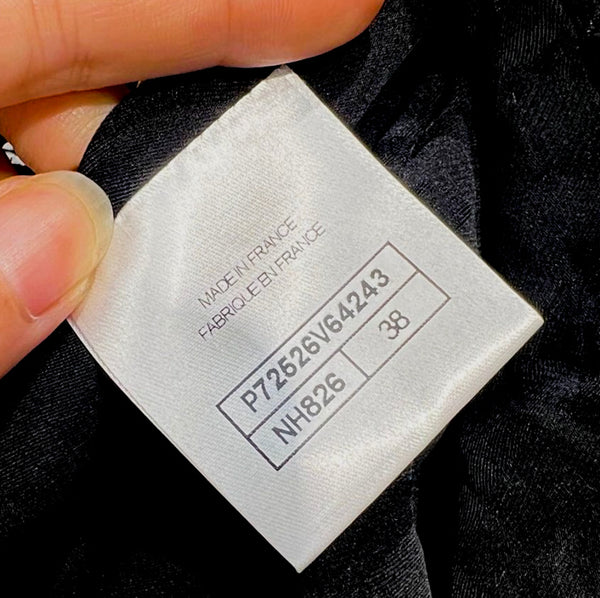
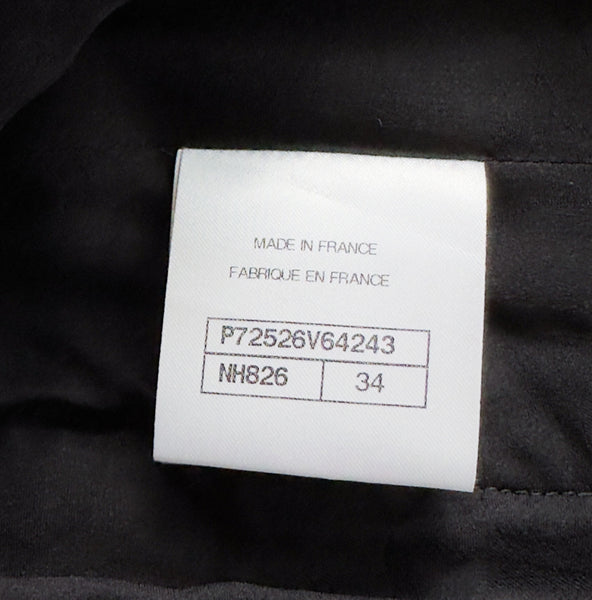
All five labels below are authentic examples checked by TC JAPAN. Some lack a notably short middle bar, so this detail alone is inconclusive.


A label may be removed for skin comfort; reversible garments may place it in a pocket or elsewhere. Fake labels can also be added. TC JAPAN notes removal; a moved label is not missing.
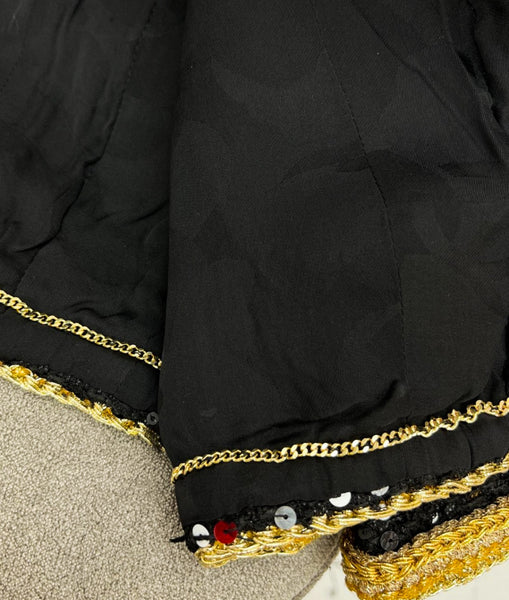
Some authentic pieces have no chain. A Spring 2011 jacket checked by TC JAPAN was made without one to avoid pulling its longer rear hem backwards.
Counterfeits have used camellia lining where the authentic model used another lining.
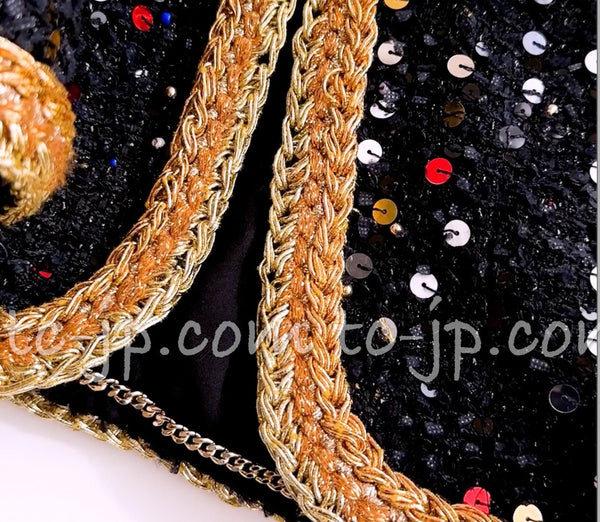
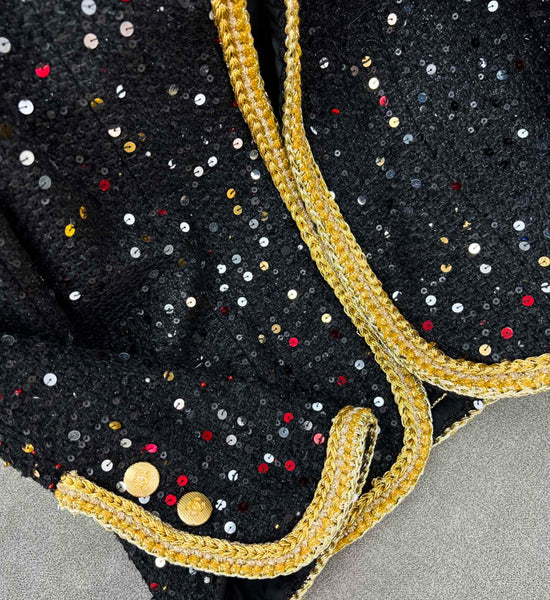
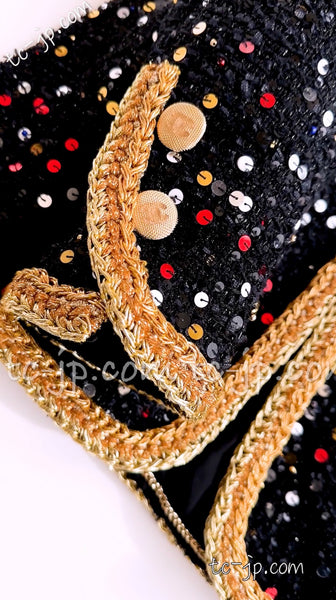
Fake buttons can be fitted to authentic jackets; compare them with the specific model.
Older collections are copied when demand persists or revives after celebrity wear. In 2026, TC JAPAN confirmed counterfeits of 1990s pieces.
Many counterfeits carry ordinary pre-owned CHANEL prices. Price is not proof.
Price, venue and feedback cannot guarantee one garment. Counterfeits can move from supplier sites into auctions and person-to-person markets.
Can a highly rated seller still be mistaken?
Highly rated sellers may unknowingly offer a counterfeit. TC JAPAN works with major reuse shops and sometimes inspects garments that passed another screening but still raise concern.
Reputable sellers try to assess authenticity, but older models may lack data. Documented differences have led some to accept returns after payment. Sellers may also be victims; present comparisons and check return terms.
What to check before buying CHANEL clothing

Beautiful photographs do not guarantee the condition of the garment delivered.
Our photos have been copied after logo removal and reused on Japanese and overseas listings. They cannot show crushed tweed, shape loss or wear on the garment actually delivered.
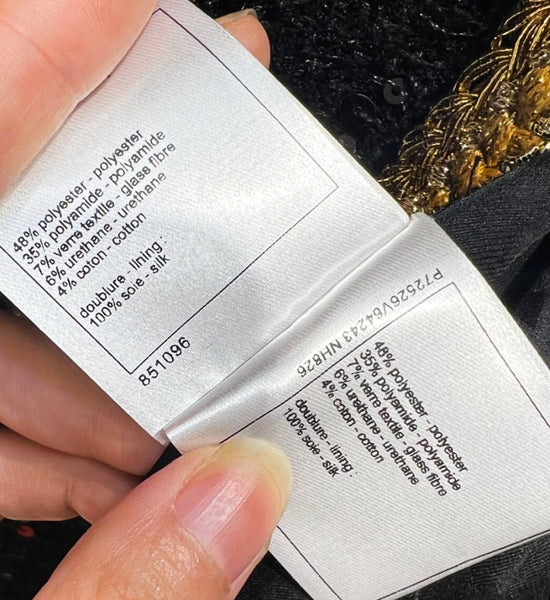
Request actual-item photos: front, back, labels, number and material tags, buttons, lining, cuffs and hem.
- Do the photos show the actual item?
- Are labels, number tag, buttons, lining, cuffs and hem shown?
- Can the seller explain the garment’s specifications?
- Are return, refund and claim deadlines clear?
A sophisticated counterfeit may reveal shape loss, wear, pilling or weak fabric only in use. After the return period, resale or trade-in may be refused.
CHANEL’s official FAQ says it neither authenticates products nor issues certificates. Repair acceptance or refusal is not an official authentication result.
TC JAPAN compares labels with the same CHANEL model
A number alone is not enough.
We verify the model’s product, colour and material-number combination. Logo lines, type, spacing and print position can vary even within one period.
We compare buttons, lining, construction, cuffs and hem with the same-model record.

TC JAPAN inspection points when sourcing CHANEL clothing
TC JAPAN compares every detail with model-specific records built through years of handling CHANEL clothing.
- Product, colour and material numbers
- Period, collection and size marking
- Original price and official colours
- Label typeface, spacing and attachment
- Button shape, size, marking and material
- Trim type and colour
- Lining material, pattern and structure
- Construction, stitching and seam allowance
- Shoulder pads, darts and silhouette
- Pockets, buttonholes and hem
- Zips, hooks and decoration
- Tweed or silk construction
- Distressing and dye method
- Records of the same authentic model
We sell only confirmed authentic garments and reject unresolved pieces. Pre-owned clothing requires actual-item information and specialist apparel knowledge.
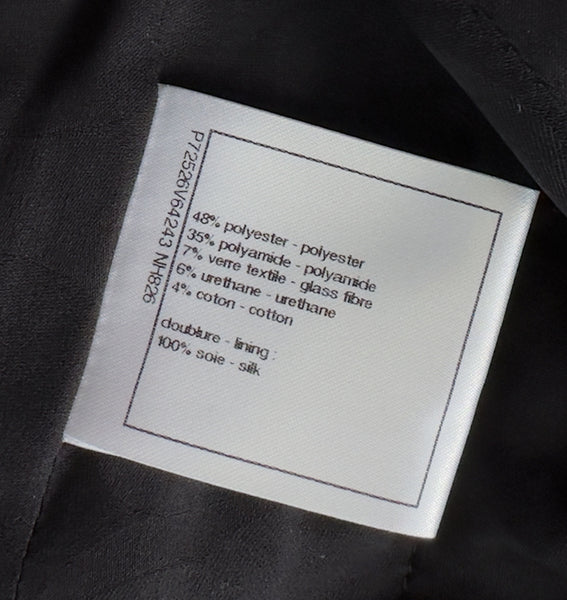
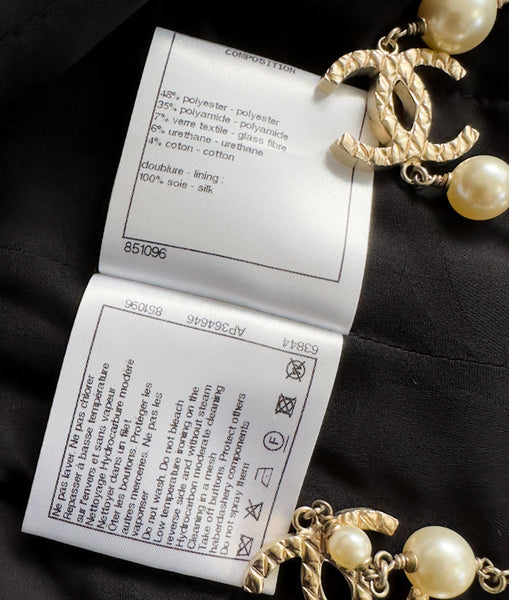
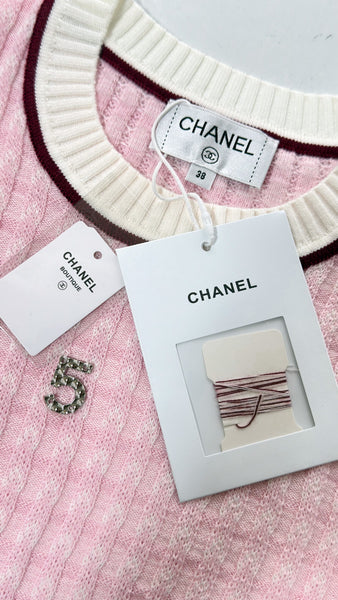
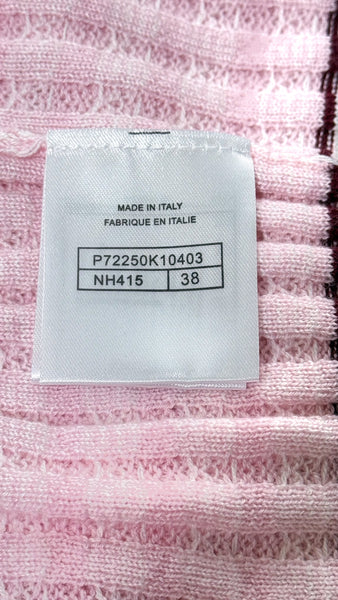
2022 Spring/Summer (22S)|Label Type & Spare Thread
For United Kingdom readers, confirmed online listings show extremely small differences. We do not publish the full checklist where it could help counterfeiters refine copies. Cases include near-matching label type and a counterfeit supplied with spare thread.

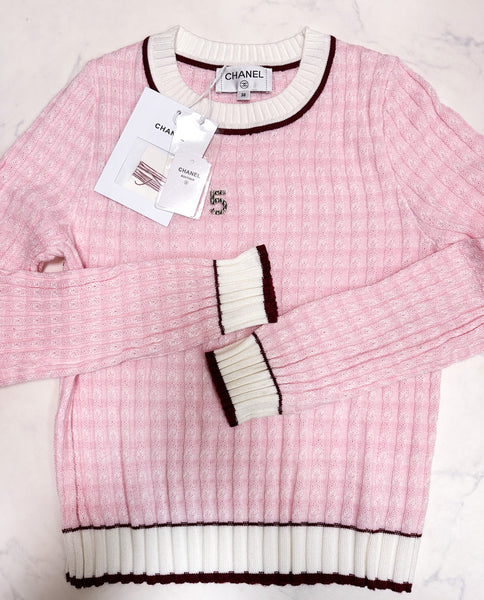
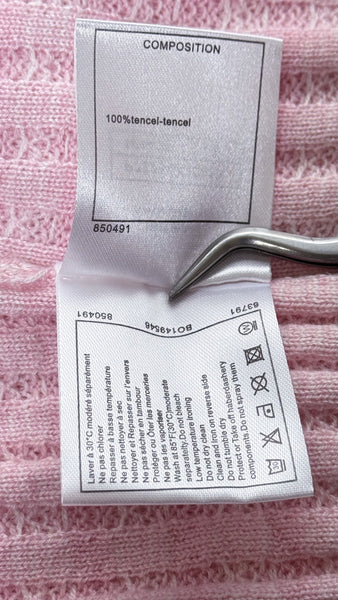
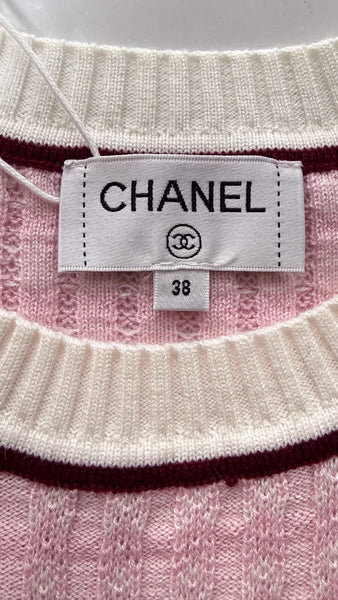
Items for customers in United Kingdom
Related items for customers in United Kingdom